
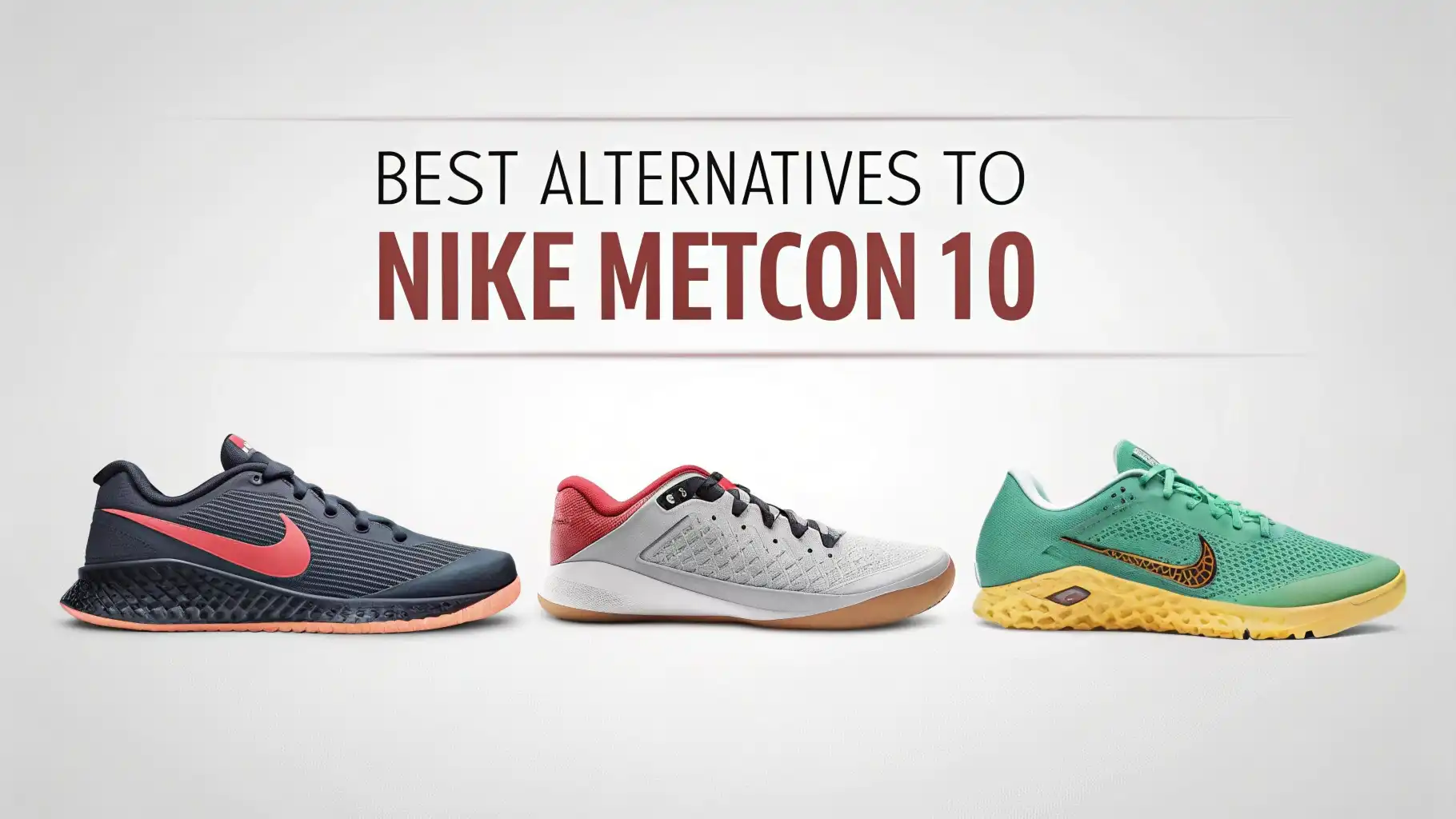
11 Best Alternatives To Nike Metcon 10 for Every Workout Style
Finding the perfect training shoe can transform your workout experience. The Nike Metcon 10 has dominated gym floors across America, but it’s not the only option that delivers exceptional performance.
Many athletes want alternatives that match their specific training needs, budget constraints, or foot shape requirements.
This guide explores ten outstanding alternatives to the Nike Metcon 10, each available on Amazon with proven track records from real gym users.
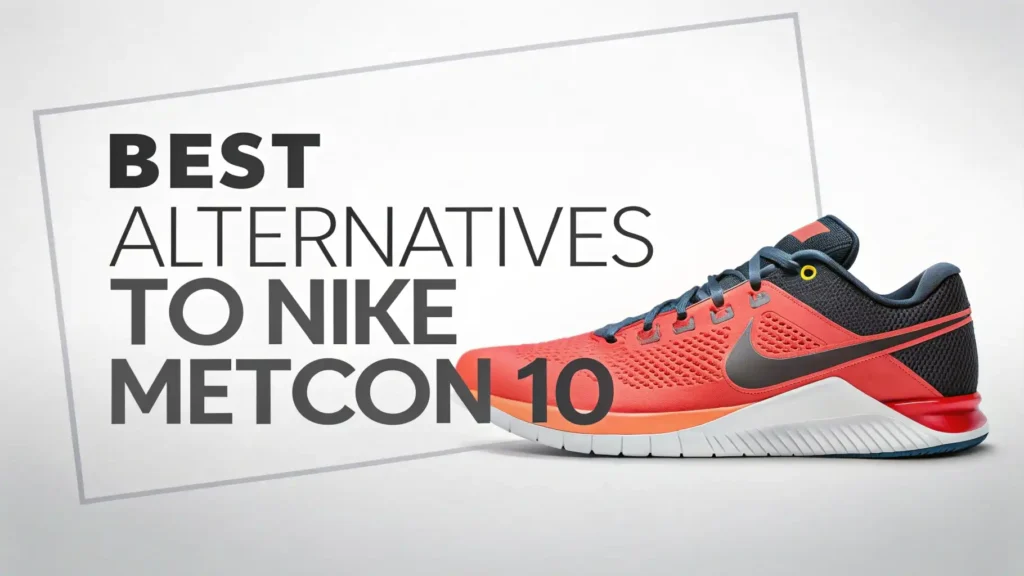
Key Takeaways
- Wide Range of Options: The training shoe market offers diverse alternatives to the Nike Metcon 10, with options ranging from $40 budget friendly picks to $150 premium performers. Each shoe serves different training priorities and foot types.
- Specialized Features Matter: Different shoes excel at different activities. Reebok Nano X5 dominates in CrossFit versatility, while Under Armour TriBase Reign 6 provides unmatched ground contact for heavy lifting. Adidas Dropset 3 offers superior stability for weightlifting movements.
- Comfort vs Performance Balance: Some alternatives like the Puma Fuse series prioritize cushioning and comfort for longer training sessions, while others like Inov-8 F-Lite focus on minimal design and natural movement patterns.
- Budget Conscious Excellence: You don’t need to spend over $100 for quality training shoes. Several options under $80 deliver professional grade performance for CrossFit, weightlifting, and general gym training without compromising durability.
- Brand Loyalty Isn’t Everything: While Nike dominates marketing, competitor brands have caught up or surpassed Metcon technology in specific areas. Testing multiple brands helps you discover the perfect match for your unique foot shape and training style.
Reebok Nano X5 Training Shoes

The Reebok Nano X5 represents the latest evolution in CrossFit footwear excellence. This shoe continues Reebok’s legacy as the official CrossFit games sponsor, bringing years of athlete feedback into its design. The Nano X5 works beautifully for athletes who demand versatility across multiple workout modalities.
The updated Flexweave Evolve upper material provides breathability without sacrificing durability during rope climbs or box jumps. Your feet stay cool during intense metcons while the reinforced zones protect against abrasion. The responsive Floatride Energy foam in the midsole delivers excellent energy return for explosive movements.
Pros:
- Excellent versatility for mixed training styles
- Wider toe box fits more foot shapes comfortably
- Durable Flexweave upper resists wear from rope climbs
- Responsive cushioning for jump intensive workouts
- Amazon’s Choice designation with 4.5 star rating
Cons:
- Premium pricing at $119.99 may exceed some budgets
- Break in period required for optimal comfort
- Slightly heavier than minimal training shoes
- Limited color options compared to previous models
Under Armour TriBase Reign 6

Under Armour’s TriBase Reign 6 takes a different approach to training shoe design. The revolutionary TriBase technology maximizes ground contact through three distinct zones on the outsole. This design philosophy delivers unparalleled stability during heavy compound lifts like deadlifts and squats.
The low to ground construction places your foot just 2mm from the floor, creating a solid foundation that serious lifters appreciate. When you load 300+ pounds on your back, every millimeter of stability matters. The external heel counter locks your foot in place, preventing any unwanted movement during max effort attempts.
Pros:
- Superior stability for heavy weightlifting
- TriBase technology maximizes ground contact
- Excellent durability through intense training cycles
- Secure fit with minimal heel slippage
- Strong 4.6 star rating with over 540 reviews
Cons:
- Less cushioning than running focused trainers
- Higher price point at $117
- Narrow fit may not suit wide feet
- Minimal arch support for flat footed athletes
Adidas Dropset 3 Trainer

The Adidas Dropset 3 Trainer brings German engineering precision to functional fitness. Adidas designed this shoe specifically for athletes who prioritize lifting performance while maintaining enough versatility for conditioning work. The dual density midsole combines a stable heel wedge with a responsive forefoot, giving you the best of both worlds.
The wide, flat base creates an incredibly stable platform. When you’re fighting through the last reps of a heavy squat set, the Dropset 3 keeps your feet planted firmly on the ground. The removable sock liner allows you to customize the feel, dropping the heel to ground distance even further if desired.
Pros:
- Excellent stability for compound lifts
- Dual density midsole balances cushion and firmness
- Removable insole for customization
- Rope guard protects during climbs
- Solid 4.4 star rating with 272 reviews
Cons:
- Break in period can be lengthy
- Sizing runs slightly large for some users
- Limited breathability during hot workouts
- Higher price at $91 than budget options
Inov-8 F-Lite Training Shoes

Inov-8 brings British innovation to the training shoe market with the F-Lite series. This shoe embraces a minimalist philosophy that appeals to athletes who want to feel connected to the ground. The zero drop platform places your heel and forefoot at the same height, promoting natural movement patterns and strengthening foot muscles.
The incredibly lightweight construction at just 8.1 ounces makes the F-Lite feel like an extension of your foot rather than a bulky shoe. During high rep workouts with constant movement, this weight advantage becomes noticeable. Your legs fatigue less when you’re not lifting extra shoe weight with every step.
Pros:
- Extremely lightweight at 8.1 ounces
- Zero drop promotes natural movement
- Wide toe box enhances stability
- Excellent ground feel for lifting
- Budget friendly at $78.99
Cons:
- Minimal cushioning not ideal for running
- Requires adaptation period for traditional shoe users
- Less ankle support than high cut trainers
- Limited color options available
New Balance Minimus TR V2

New Balance enters the training shoe arena with the Minimus TR V2, a shoe that balances minimalist principles with enough protection for varied workouts. The Vibram outsole delivers exceptional grip and durability, using the same rubber compound found in premium hiking boots and tactical footwear.
The 4mm drop provides a near flat experience while offering slightly more cushioning than zero drop alternatives. This compromise works well for athletes who want ground feel during lifts but need some shock absorption for box jumps and burpees. The REVlite midsole foam stays responsive through countless training sessions.
Pros:
- Premium Vibram outsole for durability
- Balance of minimal feel with protection
- Anatomical design fits foot shape naturally
- Quality construction from established brand
- Versatile for multiple training styles
Cons:
- Higher price point at $116.99
- Break in period required
- Sizing can run narrow for wide feet
- Less stable than dedicated lifting shoes
Puma Fuse 2.22 Training Shoes

Puma brings European styling to functional fitness with the Fuse 2.22. This shoe prioritizes comfort and cushioning for athletes who train frequently and need shoes that feel good through long sessions. The ProFoam midsole delivers plush cushioning without creating an unstable platform for lifting movements.
The mesh upper with synthetic overlays provides excellent breathability. Your feet stay cool during sweaty workouts while the reinforced zones offer support during lateral movements. The bootie construction creates a sock like fit that many athletes find extremely comfortable right out of the box.
Pros:
- Excellent cushioning for comfort
- Budget friendly at $64.95
- Comfortable bootie construction
- Good breathability for hot workouts
- Strong 4.5 star rating with 258 reviews
Cons:
- Less stable than specialized lifting shoes
- Durability questions for very intense training
- Minimal heel lockdown compared to competitors
- Limited color options available
NOBULL Outwork Training Shoe

NOBULL has built a cult following among serious CrossFit athletes, and the Outwork model demonstrates why. This shoe embraces a no nonsense approach to design, stripping away unnecessary features to focus purely on performance. The SuperFabric upper material resists abrasion incredibly well.
The completely flat sole creates maximum stability for heavy lifting. When you’re attempting a new deadlift personal record, the Outwork provides an unwavering foundation. The carbon rubber outsole delivers grip that lasts through countless workouts without wearing down quickly like softer rubber compounds.
Pros:
- Exceptional durability through intense use
- Flat sole ideal for heavy lifting
- Minimalist design reduces weight
- High quality materials and construction
- Premium brand reputation in CrossFit community
Cons:
- Very high price at $149
- Minimal cushioning not suitable for running
- Limited reviews as newer model
- No arch support for those who need it
TYR CXT Flow Training Shoes

TYR, traditionally known for swimming equipment, has made impressive strides in the training shoe market. The CXT Flow represents their commitment to creating versatile performance footwear. The lightweight design at approximately 9.2 ounces makes these shoes feel nimble during fast paced workouts.
The Flow Foam midsole technology provides responsive cushioning that works for both cardio intensive training and moderate weightlifting. The cushioning compresses under load but doesn’t feel mushy or unstable. The 4mm drop creates a slightly elevated heel without compromising lifting mechanics.
Pros:
- Balanced cushioning for varied workouts
- Lightweight construction at 9.2 ounces
- Solid traction on multiple surfaces
- Thoughtful features like rope guard
- Mid range pricing with premium features
Cons:
- Limited brand recognition compared to major names
- Few user reviews as newer model
- Less stable than dedicated lifting shoes
- Sizing may require trying on first
Converse Chuck Taylor All Star

The Converse Chuck Taylor All Star might seem like an unconventional choice, but serious powerlifters and Olympic weightlifters have used these iconic shoes for decades as affordable lifting alternatives. The completely flat sole creates an incredibly stable platform for heavy compound movements.
The canvas upper offers zero cushioning and minimal support, which paradoxically becomes an advantage for pure strength training. You feel completely connected to the ground, allowing maximum force transfer during deadlifts and squats. The simple design eliminates variables that could affect your lifting mechanics.
Pros:
- Extremely affordable at $65
- Completely flat sole for lifting stability
- Simple design proven over decades
- Available in numerous colors and styles
- Massive 17,100 reviews with 4.6 stars
Cons:
- Zero cushioning not suitable for cardio
- No ankle support or structure
- Canvas wears through with heavy use
- Not versatile for varied training styles
Reebok Nano X4

The Reebok Nano X4 represents the previous generation of Reebok’s CrossFit flagship shoe. While the X5 has launched, the X4 remains a fantastic option at a reduced price point. Many athletes prefer the X4’s slightly firmer ride for lifting heavy weights.
The Flexweave upper material in the X4 provides excellent durability and breathability. The integrated lacing system creates a secure fit that stays locked during dynamic movements. The Floatride Energy foam in the midsole delivers responsive cushioning without feeling soft or unstable.
Pros:
- Proven track record from previous model
- Lower price than newest generation
- Excellent durability and support
- Versatile for all CrossFit movements
- Strong 4.4 rating with 365 reviews
Cons:
- Slightly heavier than minimal options
- Previous generation may have limited sizes
- Break in period required for some users
- Newer models have incremental improvements
Under Armour Project Rock 5

The Under Armour Project Rock 5, designed in collaboration with Dwayne “The Rock” Johnson, brings celebrity endorsed performance to the training shoe market. This shoe emphasizes durability and stability for athletes who train with intensity and volume.
The TriBase technology provides maximum ground contact through three distinct zones, similar to the TriBase Reign but with added features. The full rubber outsole wraps up the sides, offering traction from multiple angles during rope climbs and tire flips. The reinforced upper withstands aggressive training styles.
Pros:
- Excellent value at $79.94
- TriBase technology for stability
- Durable construction for aggressive training
- Celebrity collaboration with unique styling
- Amazon’s Choice with 4.4 rating
Cons:
- Heavier than lightweight alternatives
- Break in period can be lengthy
- Limited breathability in hot conditions
- Sizing runs slightly large for some
What Makes a Good Alternative to Nike Metcon 10?
Choosing training shoes requires understanding what features matter for your specific workout style. The Nike Metcon 10 excels at versatility, performing adequately across lifting, cardio, and gymnastics movements. Good alternatives need to match or exceed this versatility or specialize in areas important to your training.
Stability stands as the foundation of any quality training shoe. When you’re squatting heavy weights or performing explosive movements, your shoes must keep your feet firmly planted. Look for flat soles, wide bases, and firm midsoles that don’t compress excessively under load.
Durability determines long term value more than initial purchase price. Shoes that fall apart after three months of intense training cost more per workout than expensive shoes lasting years. Check user reviews for comments about material quality and construction longevity.
How to Choose the Right Training Shoe for Your Needs
Your training style should drive your shoe selection process. CrossFit athletes need versatility across multiple movement patterns, making shoes like the Reebok Nano X5 or TYR CXT Flow ideal. Pure weightlifters benefit from ultra stable options like the Adidas Dropset 3 or Converse Chuck Taylors.
Foot shape significantly impacts comfort and performance. Wide feet suffer in narrow shoes like Nike Metcons. Look for brands known for generous toe boxes, such as Inov-8 or certain Under Armour models. Trying multiple brands helps you identify which shapes match your feet.
Budget constraints are legitimate considerations. Quality training shoes range from $40 to $150 on Amazon. The Puma Fuse 2.22 at $64.95 delivers excellent value for budget conscious athletes. The NOBULL Outwork at $149 serves athletes who want premium construction and materials.
Should You Choose Minimal or Cushioned Training Shoes?
The minimal versus cushioned debate divides the training shoe community. Minimal shoes like the Inov-8 F-Lite place you close to the ground with little cushioning. This design enhances stability during lifts and strengthens foot muscles over time. Athletes focused primarily on strength training often prefer this style.
Cushioned options like the Puma Fuse series provide more comfort during high impact activities. The extra padding absorbs shock from box jumps, burpees, and running. Athletes mixing cardio with strength work appreciate the reduced joint stress cushioned shoes provide.
Your training volume influences this decision. High frequency trainers doing multiple daily sessions often need more cushioning to prevent overuse injuries. Athletes training three times weekly might tolerate minimal shoes better since recovery time allows adaptation.
Frequently Asked Questions
Are training shoes different from running shoes?
Training shoes differ significantly from running shoes in construction and purpose. Training shoes feature flat, stable soles that support lateral movements and heavy lifting. Running shoes have elevated heels and soft cushioning optimized for forward motion. Using running shoes for weightlifting compromises stability and potentially causes injury due to the unstable cushioned platform. Training shoes provide the firm base needed for compound movements while offering enough versatility for cardio elements in workout programs.
How long do training shoes typically last?
Training shoe lifespan varies based on training frequency, intensity, and shoe quality. Most quality training shoes last between 6 to 12 months with regular use of 4-5 training sessions weekly. Shoes showing significant sole wear, upper tears, or loss of structure should be replaced regardless of time elapsed. Athletes training twice daily or doing extremely intense workouts may need replacements every 3-4 months. Rotating between two pairs extends overall shoe life by allowing materials to decompress between sessions.
Can I use training shoes for running workouts?
Training shoes work adequately for short distance running portions of CrossFit workouts or gym cardio. Most training shoes handle runs under 400 meters effectively. For distances exceeding half a mile or dedicated running workouts, proper running shoes become important. The flat sole and minimal cushioning in training shoes create more impact stress during extended running. Athletes who mix serious running with strength training benefit from owning dedicated running shoes alongside training shoes.
What does heel drop mean in training shoes?
Heel drop measures the height difference between the heel and forefoot of a shoe, expressed in millimeters. Zero drop shoes place your heel and forefoot at the same height, promoting natural movement patterns. Most training shoes feature 4mm to 8mm drops, providing slight heel elevation that helps athletes with limited ankle mobility. Higher drops reduce calf and Achilles stress but can compromise lifting stability. Your flexibility, training style, and comfort preferences determine the ideal drop height.
Do I need expensive training shoes to perform well?
Expensive training shoes often incorporate premium materials and advanced technologies, but cheaper options can perform excellently for many athletes. The Puma Fuse at $64.95 and Converse Chuck Taylors at $65 prove quality doesn’t require premium prices. Consider your training seriousness, frequency, and specific needs. Casual gym goers training three times weekly get excellent value from budget options. Competitive athletes training daily might justify premium shoes for marginal performance gains and enhanced durability.
How should training shoes fit compared to regular shoes?
Training shoes should fit snugly without pressure points or excessive space. Your toes should not touch the front during standing but can lightly brush during explosive movements. The heel should lock firmly without slippage during jumping or running. Width matters significantly for stability and comfort. Most athletes need training shoes in their regular size or half size up if they have wide feet. Always check brand specific sizing guides since Nike runs narrower than Reebok.
Can women use men’s training shoes?
Women can absolutely use men’s training shoes with proper sizing adjustments. Men’s shoes typically run 1.5 to 2 sizes larger than women’s sizes. A women’s size 8 corresponds to approximately a men’s size 6.5. Some women prefer men’s models for wider toe boxes or specific colorways. The primary difference lies in sizing rather than performance features. Many training shoes come in both men’s and women’s specific versions with identical technology and varying aesthetics.
What’s the difference between CrossFit shoes and weightlifting shoes?
CrossFit shoes prioritize versatility across multiple movement types including lifting, running, and gymnastics. They feature moderate stability, some cushioning, and flexible forefoot sections. Weightlifting shoes have elevated rigid heels (typically 0.75 inches) and extremely stable platforms designed exclusively for Olympic lifts and squats. CrossFit athletes need the versatility of training shoes for varied workouts. Dedicated weightlifters benefit from specialized lifting shoes that optimize barbell movements.